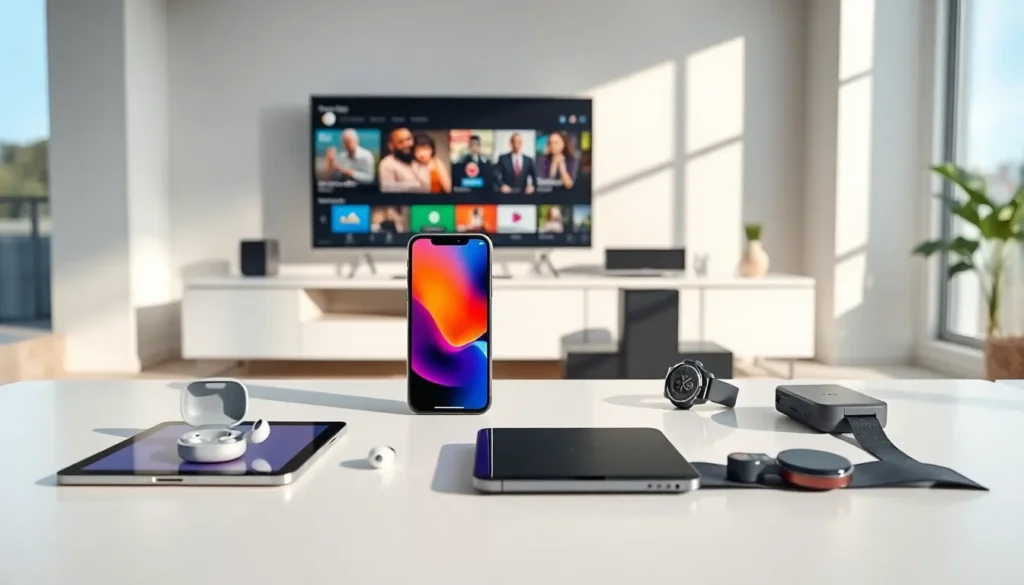

Consumer electronics shape daily life in ways people rarely stop to consider. From the smartphone alarm that wakes someone up to the smart TV they stream shows on before bed, these devices define modern routines. The global consumer electronics market reached $1.1 trillion in 2024, and it continues to grow as technology advances.
This guide breaks down everything buyers need to know about consumer electronics. It covers the major product categories, explains how to make smart purchasing decisions, and highlights the trends driving the industry forward. Whether someone is upgrading their home setup or buying their first wearable device, this information will help them choose wisely.
Table of Contents
ToggleKey Takeaways
- Consumer electronics include devices like smartphones, TVs, wearables, and smart home products designed for everyday personal use.
- The global consumer electronics market reached $1.1 trillion in 2024, driven by rapid technological advancements and mass production.
- When buying consumer electronics, prioritize your primary use case, budget, device compatibility, and future-proofing to avoid wasted spending.
- AI integration, sustainability, and health-focused features are the major trends shaping consumer electronics in 2025 and beyond.
- Read professional reviews and check warranty options before purchasing any consumer electronics to ensure long-term satisfaction.
- Avoid impulse buying—waiting a few months after launch often reveals price drops, bug fixes, or better alternatives.
What Are Consumer Electronics
Consumer electronics are electronic devices designed for everyday personal use. These products typically serve entertainment, communication, or productivity purposes. Unlike industrial electronics used in manufacturing, consumer electronics target individual buyers and households.
The category includes a wide range of products. Televisions, laptops, smartphones, gaming consoles, and digital cameras all fall under consumer electronics. So do smart home devices like thermostats, security cameras, and voice assistants.
What sets consumer electronics apart from other electronics? Three key features define them:
- Personal Use: They’re built for individuals or families, not businesses or factories.
- Mass Production: Manufacturers produce them at scale, making them accessible to average buyers.
- Regular Updates: Companies release new models frequently, often annually, with improved features.
Consumer electronics have transformed how people work, play, and connect. A device that cost thousands of dollars a decade ago now fits in a pocket and costs a fraction of the price. This rapid evolution makes understanding consumer electronics essential for anyone making purchase decisions.
Popular Categories of Consumer Electronics
The consumer electronics market spans dozens of product types. Three categories dominate sales and consumer attention.
Smartphones and Tablets
Smartphones remain the most widely owned consumer electronics devices on the planet. Over 6.8 billion people worldwide use smartphones as of 2024. These pocket-sized computers handle calls, texts, photos, navigation, banking, and thousands of other tasks.
Tablets occupy the space between smartphones and laptops. They offer larger screens for media consumption, reading, and light productivity. Apple’s iPad line leads tablet sales, though Android tablets from Samsung and Lenovo hold significant market share.
Key features buyers look for in smartphones and tablets include:
- Processor speed and RAM for smooth performance
- Camera quality for photos and video
- Battery life for all-day use
- Display resolution and refresh rate
- Storage capacity
Home Entertainment Systems
Home entertainment represents another major consumer electronics segment. This category includes televisions, soundbars, streaming devices, and gaming consoles.
Modern TVs offer 4K and 8K resolution, OLED and QLED display technology, and built-in smart features. Screen sizes have grown dramatically, 65-inch TVs are now common in living rooms. Streaming devices like Roku, Apple TV, and Amazon Fire Stick connect older TVs to modern content platforms.
Gaming consoles form a significant portion of home entertainment spending. The PlayStation 5, Xbox Series X, and Nintendo Switch compete for gamers’ attention. Each console offers exclusive games and unique features that appeal to different audiences.
Wearable Technology
Wearables have grown from a niche product into mainstream consumer electronics. Smartwatches and fitness trackers lead this category. Apple Watch dominates the smartwatch market, while Fitbit and Garmin appeal to fitness-focused buyers.
Other wearable consumer electronics include:
- Wireless earbuds (AirPods, Galaxy Buds, Sony WF series)
- VR headsets (Meta Quest, PlayStation VR)
- Smart rings and health monitors
Wearable technology blurs the line between fashion and function. These devices track health metrics, deliver notifications, and enable hands-free communication. The wearables market is projected to reach $230 billion by 2030.
How to Choose the Right Consumer Electronics
Buying consumer electronics requires research and clear priorities. Prices range from under $50 to several thousand dollars, and making the wrong choice wastes money and causes frustration.
Start by identifying the primary use case. Someone who wants a laptop for web browsing and email doesn’t need a $2,000 gaming machine. A person buying a TV for a bright living room should prioritize brightness over contrast ratio.
Consider these factors before purchasing any consumer electronics:
Budget: Set a realistic spending limit. Consumer electronics often have diminishing returns at higher price points. A $500 phone handles most tasks as well as a $1,200 flagship.
Compatibility: Check whether new devices work with existing equipment. Apple products integrate seamlessly with each other but less smoothly with Android or Windows devices. Smart home products may require specific hubs or apps.
Reviews and Ratings: Read professional reviews and user feedback. Sites like CNET, The Verge, and Wirecutter test consumer electronics thoroughly. Amazon and Best Buy reviews reveal real-world performance issues.
Warranty and Support: Consumer electronics can fail or develop problems. Check manufacturer warranty terms and customer support reputation. AppleCare, Samsung Care, and similar programs offer extended protection for a fee.
Future-Proofing: Technology moves fast. Buying consumer electronics with slightly better specs than currently needed extends their useful life. That extra RAM or storage capacity pays off in a year or two.
Avoid impulse purchases. The newest consumer electronics always seem exciting at launch, but waiting a few months often reveals bugs, price drops, or better alternatives.
Trends Shaping the Consumer Electronics Industry
Several major trends are reshaping consumer electronics in 2025 and beyond.
Artificial Intelligence Integration: AI now powers features across consumer electronics. Smartphones use AI for photography, voice assistants, and predictive text. TVs use AI upscaling to improve picture quality. Earbuds use AI to cancel noise and enhance voice calls. This trend will accelerate as AI chips become standard in more devices.
Sustainability Focus: Manufacturers face pressure to make consumer electronics more environmentally friendly. Apple, Samsung, and others now use recycled materials in their products. The EU requires replaceable batteries in smartphones by 2027. Consumers increasingly consider environmental impact when choosing consumer electronics.
Foldable and Flexible Displays: Foldable phones from Samsung, Google, and OnePlus represent a new form factor. These consumer electronics offer tablet-sized screens that fold to fit in a pocket. Prices remain high, but they’re dropping each year.
Health and Wellness Features: Consumer electronics increasingly monitor health. Smartwatches track heart rate, blood oxygen, and sleep patterns. Some devices can detect irregular heart rhythms or falls. This health-focused approach appeals to aging populations and fitness enthusiasts alike.
Subscription Services: Hardware companies now bundle software subscriptions with consumer electronics. Apple offers Apple One, Samsung has Samsung+ Care, and gaming consoles push Game Pass and PlayStation Plus. These recurring revenue models change how people pay for and use their devices.