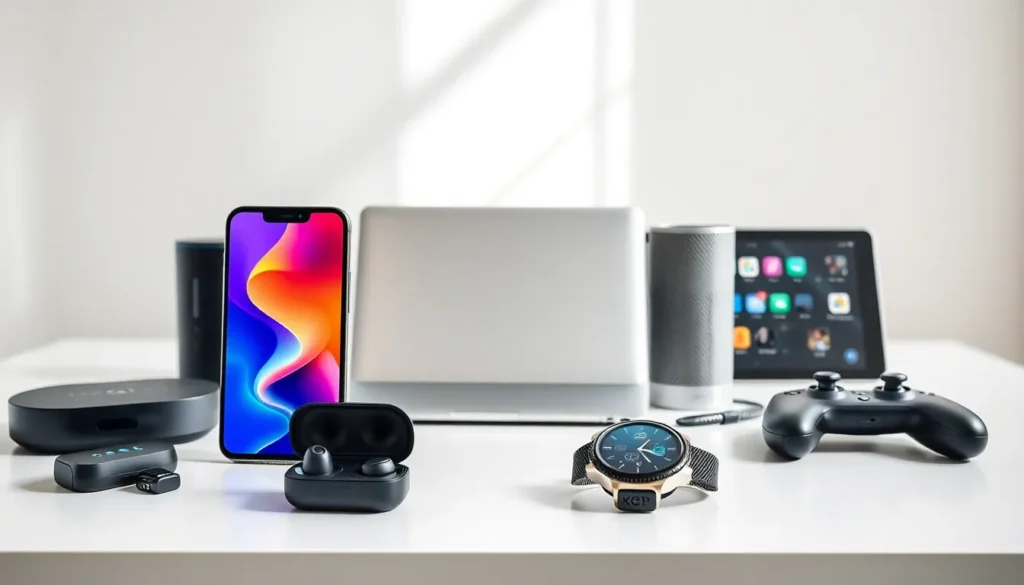

Consumer electronics examples surround us every day, from the smartphone in your pocket to the smart TV in your living room. These devices have become essential tools for work, entertainment, and communication. This guide breaks down the most common consumer electronics by category, explains what defines them, and traces how they’ve changed over time. Whether someone is shopping for new tech or simply curious about the gadgets they use daily, this article covers the essentials.
Table of Contents
ToggleKey Takeaways
- Consumer electronics examples include smartphones, TVs, laptops, gaming consoles, and smart home devices designed for personal use.
- The global consumer electronics market has surpassed $1 trillion, reflecting how essential these devices have become in daily life.
- Entertainment devices like 4K televisions, streaming sticks, and wireless earbuds remain among the most popular consumer electronics.
- Smartphones are the most widely used consumer electronics, with over 6 billion users worldwide combining communication, computing, and entertainment in one device.
- Smart home technology—including voice assistants, robot vacuums, and smart thermostats—has expanded consumer electronics into every room of the house.
- Consumer electronics continue evolving rapidly, with foldable phones, augmented reality glasses, and AI-powered devices representing the next wave of innovation.
What Are Consumer Electronics?
Consumer electronics are electronic devices designed for personal and household use. These products serve entertainment, communication, and productivity purposes. Unlike industrial electronics, consumer electronics target everyday users rather than businesses or manufacturers.
Common traits define consumer electronics examples:
- Designed for individual use: These devices cater to personal needs, whether for fun, work, or staying connected.
- Mass-produced: Manufacturers create these products at scale, making them affordable and widely available.
- Frequently updated: New models appear regularly, offering improved features and performance.
Consumer electronics range from small gadgets like earbuds to large appliances like refrigerators. The category includes both analog and digital devices, though digital technology dominates the current market. Smartphones, laptops, televisions, and gaming consoles all fall under this umbrella.
The global consumer electronics market continues to grow. According to industry reports, the sector reached over $1 trillion in value in recent years. This growth reflects how essential these devices have become in daily life.
Popular Consumer Electronics Examples by Category
Consumer electronics examples span multiple categories. Each category serves different needs and use cases. Below are the most popular types organized by function.
Entertainment and Audio Devices
Entertainment devices dominate the consumer electronics market. People spend significant time and money on products that deliver audio and visual content.
Televisions remain a staple in most homes. Modern TVs feature 4K and 8K resolution, OLED displays, and smart connectivity. Brands like Samsung, LG, and Sony lead this segment.
Streaming devices like Roku, Amazon Fire Stick, and Apple TV bring online content to any screen. These small devices connect to televisions and provide access to Netflix, Hulu, Disney+, and other platforms.
Gaming consoles represent another major category. The PlayStation 5, Xbox Series X, and Nintendo Switch offer immersive gaming experiences. The gaming industry generates billions in annual revenue through console and game sales.
Audio equipment includes headphones, earbuds, soundbars, and Bluetooth speakers. Wireless earbuds from Apple (AirPods), Sony, and Bose have become especially popular. Vinyl records and turntables have also seen a resurgence among audio enthusiasts.
Communication and Computing Devices
Communication and computing devices keep people connected and productive. This category includes some of the most essential consumer electronics examples.
Smartphones sit at the center of modern life. Apple’s iPhone and Samsung’s Galaxy line dominate sales. These devices combine phone calls, messaging, internet access, cameras, and apps into one portable package. Over 6 billion people worldwide now use smartphones.
Laptops and tablets serve work, education, and entertainment needs. Apple’s MacBook and iPad lines compete with Windows laptops from Dell, HP, and Lenovo. Chromebooks have gained popularity in schools due to their affordability and simplicity.
Wearable technology includes smartwatches and fitness trackers. The Apple Watch leads the smartwatch market, while Fitbit and Garmin focus on health and fitness tracking. These devices monitor heart rate, steps, sleep patterns, and more.
E-readers like Amazon’s Kindle provide dedicated reading experiences. They use e-ink displays that reduce eye strain and offer weeks of battery life.
Home Appliances and Smart Devices
Smart home technology has expanded consumer electronics into every room. These devices automate tasks and add convenience to daily routines.
Smart speakers like Amazon Echo and Google Nest Hub respond to voice commands. They play music, answer questions, control other devices, and set reminders. Millions of households now use these assistants daily.
Smart thermostats from brands like Nest and Ecobee learn user preferences and adjust temperatures automatically. They reduce energy costs and integrate with other smart home systems.
Robot vacuums clean floors without human intervention. iRobot’s Roomba pioneered this category, and competitors like Roborock and Shark now offer similar products.
Smart lighting from Philips Hue and LIFX allows users to control brightness and color through apps or voice commands. Security cameras, video doorbells, and smart locks round out the smart home ecosystem.
How Consumer Electronics Have Evolved Over Time
Consumer electronics examples have changed dramatically over the decades. Innovation has made devices smaller, cheaper, and more powerful.
The 1950s and 1960s brought the first mass-market consumer electronics. Transistor radios gave people portable music for the first time. Television ownership expanded rapidly during this era, changing how families spent their evenings.
The 1970s and 1980s introduced personal computing and video games. The Apple II and IBM PC made computers accessible to ordinary consumers. Atari and Nintendo brought gaming into homes with affordable consoles. Sony’s Walkman created the portable music player category in 1979.
The 1990s saw the rise of digital technology. CDs replaced cassette tapes. DVDs overtook VHS. The internet began connecting computers worldwide, setting the stage for future innovations.
The 2000s transformed consumer electronics completely. Apple launched the iPod in 2001 and the iPhone in 2007. Smartphones replaced multiple devices, cameras, music players, GPS units, and more, in a single product. Flat-screen TVs replaced bulky CRT models.
The 2010s and 2020s brought smart technology and connectivity. Voice assistants, smart home devices, and wearables became mainstream. Streaming services replaced physical media for music and video. Consumer electronics now connect to the internet and to each other, creating integrated ecosystems.
This evolution continues today. Foldable phones, augmented reality glasses, and AI-powered devices represent the next wave of consumer electronics examples.