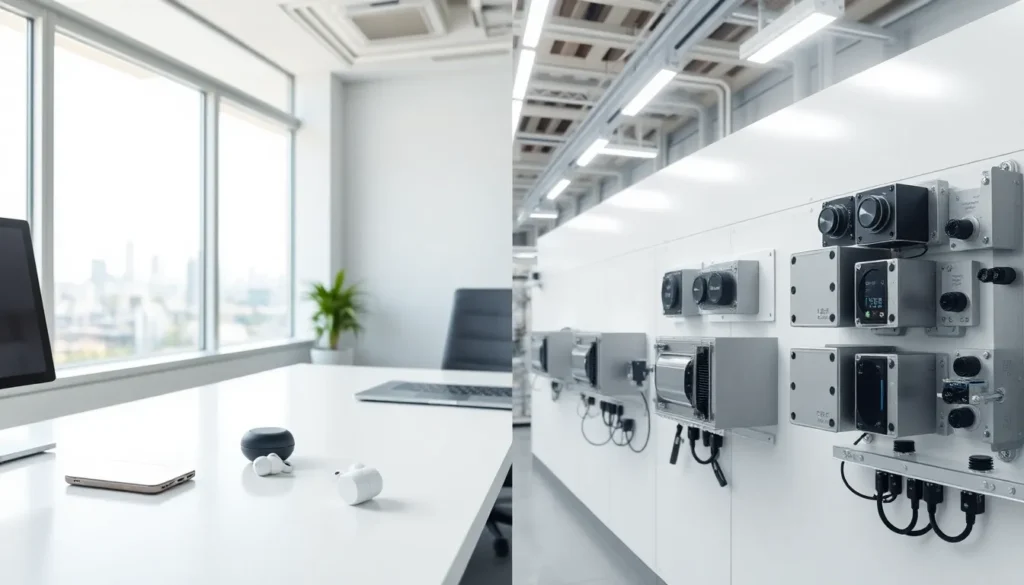

Consumer electronics vs. industrial electronics, what’s the real difference? Both categories power modern life, but they serve very different purposes. Consumer electronics fill homes and pockets. Industrial electronics run factories, hospitals, and power grids. Understanding the distinction matters whether someone is buying a new gadget or sourcing equipment for a manufacturing plant.
This comparison breaks down what separates these two worlds. From design standards to price points, the differences affect performance, lifespan, and reliability. By the end, readers will know exactly which type fits their specific needs.
Table of Contents
ToggleKey Takeaways
- Consumer electronics prioritize affordability, sleek design, and ease of use for everyday personal devices like smartphones and laptops.
- Industrial electronics are built for harsh environments, offering wider temperature ranges (-40°C to 85°C) and 10–20 year lifespans.
- Consumer electronics vs industrial electronics differ significantly in cost due to production scale, component quality, and extensive testing requirements.
- Choose consumer electronics for climate-controlled settings and short-term use; opt for industrial-grade equipment when reliability is critical.
- Industrial electronics cost more upfront but often deliver lower total ownership costs through fewer replacements and reduced downtime.
- Hybrid solutions like consumer tablets for point-of-sale systems work initially, but scaling operations typically requires upgrading to industrial equipment.
What Are Consumer Electronics?
Consumer electronics are devices designed for everyday personal use. Smartphones, laptops, televisions, gaming consoles, and smart home devices all fall into this category. These products target the general public and prioritize ease of use, affordability, and attractive design.
The consumer electronics market generates hundreds of billions of dollars annually. In 2024, global revenue exceeded $1 trillion, driven by smartphones and wearable technology. Manufacturers like Apple, Samsung, and Sony dominate this space.
Key characteristics of consumer electronics include:
- Mass production – Factories produce millions of identical units to keep costs low.
- User-friendly interfaces – Average consumers need zero technical training.
- Shorter product cycles – New models replace old ones every one to three years.
- Aesthetic focus – Sleek designs and compact sizes sell products.
Consumer electronics operate under controlled conditions. They sit in climate-controlled homes and offices. They handle light daily use. A smartphone might run eight hours a day. A television might operate four. This usage pattern shapes how manufacturers build these devices.
Durability expectations differ from industrial counterparts. A consumer expects a phone to last two to four years. A laptop might survive five years with proper care. These timelines influence material choices, component quality, and overall construction.
What Are Industrial Electronics?
Industrial electronics power commercial operations, manufacturing plants, and critical infrastructure. Programmable logic controllers (PLCs), industrial sensors, motor drives, and automation systems represent this category. These devices perform specialized tasks in demanding environments.
The industrial electronics sector serves different priorities than consumer markets. Reliability beats aesthetics. Longevity beats low price. A factory cannot afford downtime because a component failed early.
Common applications include:
- Manufacturing automation – Robots and assembly line controllers
- Power generation – Grid management and distribution systems
- Transportation – Railway signaling and traffic control
- Healthcare – Medical imaging equipment and monitoring systems
- Telecommunications – Network infrastructure and data centers
Industrial electronics face harsh conditions. Extreme temperatures, dust, vibration, moisture, and electromagnetic interference challenge these devices daily. A sensor on a factory floor might encounter 50°C heat, constant vibration, and oil mist. It must perform flawlessly regardless.
Manufacturers build industrial electronics to last 10 to 20 years or longer. Component selection focuses on proven reliability rather than cutting-edge features. Many industrial systems use older, well-tested technology because stability matters more than innovation.
Main Differences Between Consumer and Industrial Electronics
Consumer electronics vs. industrial electronics differ across multiple dimensions. Understanding these differences helps buyers make informed decisions.
Design and Durability Standards
Consumer electronics prioritize form factor and visual appeal. Thin profiles, lightweight materials, and smooth finishes attract buyers. Industrial electronics prioritize function over form. Metal enclosures, reinforced connectors, and protective coatings define their construction.
Operating temperature ranges illustrate this gap clearly:
| Type | Typical Operating Range |
|---|---|
| Consumer Electronics | 0°C to 40°C |
| Industrial Electronics | -40°C to 85°C |
Industrial devices also meet stricter certification standards. IP ratings indicate protection against dust and water ingress. Industrial equipment often carries IP65 or higher ratings. Consumer devices rarely exceed IP68, and many lack any IP rating at all.
Vibration resistance separates these categories too. Consumer electronics might withstand occasional drops. Industrial electronics endure constant mechanical stress. Testing protocols reflect these demands, industrial components undergo thousands of hours of stress testing before approval.
Cost and Accessibility
Consumer electronics cost less because manufacturers produce them at massive scale. A $500 smartphone contains impressive technology, but it benefits from economies of scale across millions of units.
Industrial electronics cost more for several reasons:
- Lower production volumes – Thousands rather than millions of units
- Higher-grade components – Extended temperature ratings and longer lifespans
- Extensive testing – Quality assurance adds significant cost
- Specialized support – Technical documentation and long-term availability
A consumer-grade temperature sensor might cost $20. An industrial equivalent performing the same basic function might cost $200 or more. That price difference reflects durability, accuracy, and support commitments.
Accessibility also varies. Consumer electronics fill retail stores and online marketplaces. Anyone can purchase them. Industrial electronics require specialized distributors. Buyers often need technical specifications, application details, and sometimes direct manufacturer relationships.
Which Type of Electronics Is Right for Your Needs?
Choosing between consumer electronics vs. industrial electronics depends on the application. Asking a few questions clarifies the right choice.
What environment will the device operate in?
Climate-controlled offices and homes suit consumer electronics perfectly. Factories, outdoor installations, and harsh environments demand industrial-grade equipment.
How long must it last?
Consumer electronics serve well for two to five years. Industrial electronics justify their cost when 10+ year lifespans matter.
What happens if it fails?
A broken smartphone inconveniences its owner. A failed industrial controller halts production and costs thousands per hour. Critical applications require industrial reliability.
What’s the budget?
Limited budgets and non-critical applications favor consumer electronics. Long-term cost analysis sometimes favors industrial equipment even though higher upfront prices, fewer replacements and less downtime reduce total ownership costs.
Some hybrid applications exist. Small businesses might use consumer-grade tablets for point-of-sale systems. This approach works until reliability becomes critical. As operations scale, the calculus often shifts toward industrial solutions.
Hobbyists and makers face interesting choices too. Consumer components suit prototypes and personal projects. Commercial products destined for demanding environments need industrial-grade parts to meet customer expectations and safety standards.